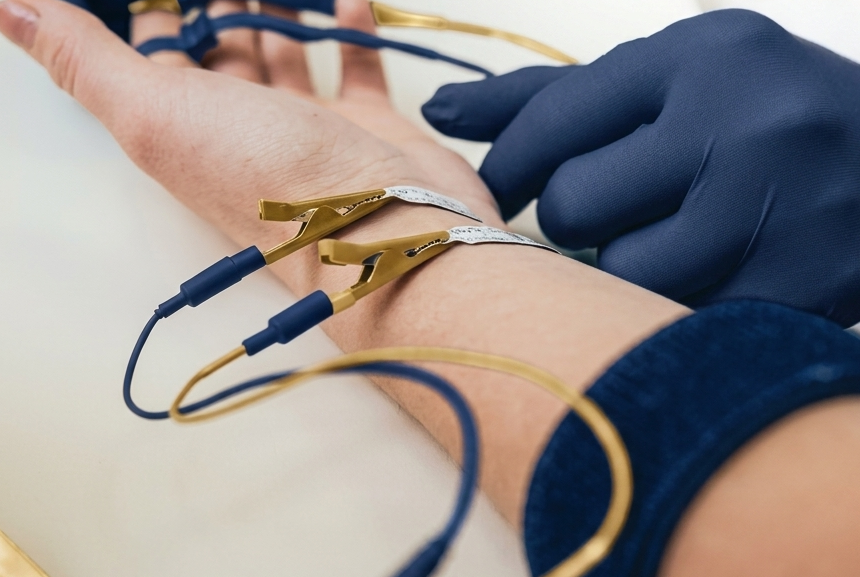
Heart Failure Management
Heart Failure Management provides comprehensive care for patients living with heart conditions that affect the heart’s ability to pump blood efficiently. Our medical team focuses on early diagnosis, symptom control, lifestyle improvement, and long-term cardiac health management.
Our Heart Failure Management program combines advanced cardiac evaluation, modern treatment strategies, and continuous patient monitoring to support better heart health outcomes. Cardiologists and healthcare specialists work together to create personalized care plans tailored to each patient’s medical condition and recovery goals.
Why Choose Our Service
- Experienced cardiology specialists
- Personalized treatment plans
- Advanced cardiac monitoring
- Comprehensive heart evaluations
- Continuous patient support
Heart Failure Management Process
Step 01 — Initial Cardiac Evaluation
Doctors assess the patient’s symptoms, medical history, and overall cardiovascular health.
Step 02 — Diagnostic Testing
ECGs, imaging scans, blood tests, and heart function evaluations are performed to determine the severity of the condition.
Step 03 — Personalized Treatment Planning
Specialists create a customized care plan that may include medications, therapy, dietary adjustments, and lifestyle recommendations.
Step 04 — Ongoing Monitoring & Care
Patients receive continuous monitoring and regular follow-up visits to track progress and manage symptoms effectively.
Step 05 — Rehabilitation & Long-Term Support
Cardiac rehabilitation and long-term care programs help patients improve physical activity, heart function, and overall wellness.
Frequently asked questions
Heart failure management is a medical program designed to help patients control symptoms and improve heart function through specialized treatment and monitoring.
Symptoms may include shortness of breath, fatigue, swelling in the legs, chest discomfort, and reduced physical activity tolerance.
While heart failure may not always be fully cured, proper treatment and lifestyle management can significantly improve quality of life.
Treatment may include medications, heart monitoring, rehabilitation programs, nutrition counseling, and lifestyle management.
Some cases can be prevented through healthy lifestyle choices, regular medical checkups, and treatment of heart diseases.