

A growing number of older adults are not as physically active as recommended, and this is often due to a combination of health, environmental, and lifestyle factors. Many seniors experience chronic conditions such as arthritis, heart disease, or joint pain, which can make movement uncomfortable or even discouraging. In addition, reduced muscle strength, balance issues, and fear of falling often lead to a more sedentary lifestyle. Psychological factors like lack of motivation, depression, or the belief that exercise is “not for their age” also play a major role in limiting activity levels.
Modern lifestyles can further increase inactivity among older adults. Limited access to safe walking areas, lack of community exercise programs, and social isolation may reduce opportunities for regular movement. In some cases, older adults are simply not encouraged or guided properly to stay active in safe and adapted ways.
Common reasons include:
- Chronic pain or mobility limitations
- Fear of injury or falling
- Low energy levels or fatigue
- Lack of suitable exercise environments
- Social isolation or lack of support
- Misconception that exercise is unsafe at older age
Older adults often become less active for several combined reasons related to health, psychology, and environment. With age, the body naturally changes, and this can make movement more difficult or less comfortable. However, inactivity is not only a result of aging itself, but also lifestyle habits and lack of support systems that encourage regular physical activity.
Many seniors stop exercising because they believe it is unsafe or unnecessary at their age. Others may have had previous injuries or medical conditions that make them more cautious. Over time, this leads to a cycle of inactivity where less movement causes more stiffness, weakness, and fatigue.
Common factors affecting activity levels:
- Joint pain (arthritis, back pain)
- Reduced muscle strength and flexibility
- Balance problems and fear of falling
- Chronic diseases (diabetes, heart disease)
- Depression or low motivation
- Lack of social or family support
- Limited access to safe exercise spaces

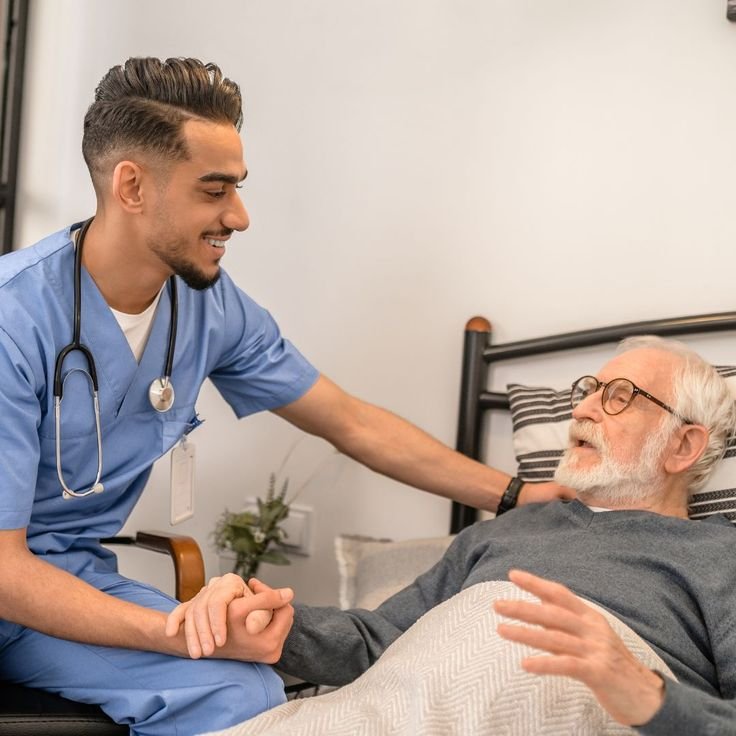
Benefits when older adults stay active:
- Improves blood circulation and heart health
- Reduces stiffness and joint pain
- Enhances balance and reduces fall risk
- Boosts mood and mental health
- Supports independence in daily life
Many Older Adults Aren’t Physically Active
1. Limited Physical Ability
As people age, strength and stamina naturally decline. Joint pain, stiffness, and fatigue make exercise feel more challenging. Many older adults also fear falling or getting injured, which discourages them from staying active.
2. Chronic Health Conditions
Diseases such as arthritis, diabetes, or heart problems can restrict mobility. These conditions often lead to inactivity, even though gentle exercise could actually help manage symptoms.
3. Low Motivation
Pain, discomfort, or lack of visible progress can reduce motivation. If someone hasn’t built exercise habits earlier in life, it becomes harder to start in older age.
4. Social and Environmental Barriers
Physical activity is more enjoyable with company, but many older adults lack social support or safe spaces to exercise. Limited access to parks, walking paths, or senior-friendly fitness programs can further reduce opportunities.
5. Cultural and Economic Factors
In some communities, physical activity isn’t seen as essential for seniors. Financial limitations or lack of affordable programs also play a role in keeping older adults inactive.

